April 12, 2026
Cross-Docking vs. Traditional Warehousing: Which Saves Your Business More in 2026?
Holding inventory in a warehouse costs money every day it sits. Cross-docking eliminates storage time entirely. Here is a real cost comparison for Virginia businesses.
The Cost of Inventory Sitting Still
Every pallet sitting in a warehouse represents tied-up capital, rent, insurance, and labor to manage it. For businesses in the Virginia corridor — particularly those moving goods between Port of Virginia (Norfolk), Richmond, and Northern Virginia/DC — the question isn't whether logistics costs are too high. It's whether there's a structural alternative. There is: cross-docking.
Searches for cross-docking services Virginia, cross-dock vs warehouse, and transloading Richmond VA have grown steadily because supply chain managers are looking for ways to move product faster with less overhead. This guide breaks down the real differences, costs, and use cases.
What Is Cross-Docking?
Cross-docking is a logistics practice where incoming shipments are unloaded at a facility, sorted, and immediately loaded onto outbound vehicles — with little or no storage time in between. Product spends hours at the facility, not days or weeks. The cross-dock acts as a transfer point, not a storage unit.
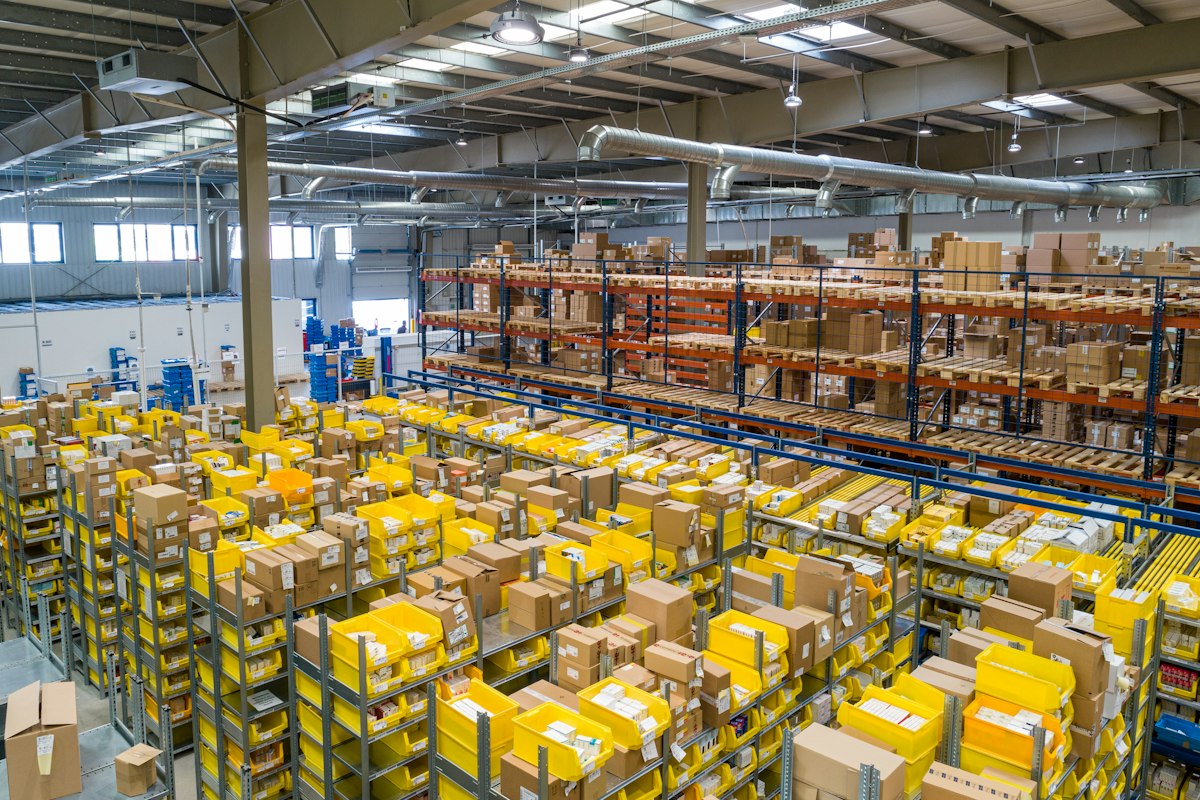
Contrast this with traditional warehousing, where goods are received, put away into racking or floor storage, picked when orders come in, packed, and then shipped. Each of those steps adds cost, time, and handling risk.
Cost Comparison: Cross-Docking vs. Warehousing
Here's a realistic comparison for a mid-size business moving 200 pallets/month through the Richmond, Virginia area:
- Traditional Warehouse:
- Storage: $8–$15/pallet/month × 200 = $1,600–$3,000/month
- Handling (in + out): $4–$8/pallet × 200 = $800–$1,600/month
- Labor/management overhead: $1,500–$3,000/month
- Total: $3,900–$7,600/month
- Cross-Docking:
- Cross-dock fee: $6–$12/pallet × 200 = $1,200–$2,400/month
- No storage cost (product in and out same day)
- Reduced labor (no put-away, no picking)
- Total: $1,200–$2,400/month
Monthly savings: $2,700–$5,200. Over a year, that's $32,000–$62,000 back in your operating budget.
When Cross-Docking Works Best
- High-velocity products that sell through quickly and don't need long-term storage.
- Retail replenishment — consolidating inbound shipments from multiple vendors and breaking them into store-specific loads.
- E-commerce fulfillment with predictable, high-volume SKUs.
- Perishable goods where storage time directly impacts shelf life.
- Import consolidation — containers from Port of Virginia arriving for regional distribution.
When You Still Need a Warehouse
- Seasonal inventory that needs to be staged weeks or months before demand.
- Slow-moving SKUs with unpredictable order patterns.
- Assembly or kitting that requires time and workspace.
- Regulatory holds — some products need quarantine or inspection before release.
Why Virginia Is Ideal for Cross-Docking
Virginia's geography makes it a natural cross-dock hub:
- Port of Virginia is the deepest port on the East Coast — ideal for import transloading.
- I-95, I-64, and I-85 create a transportation network connecting the entire Eastern Seaboard.
- Richmond sits at the midpoint between the port and the DC/Northern Virginia consumer market.
- Same-day delivery is possible to 50+ million consumers within a 300-mile radius.
Get a Cross-Docking Quote
Virginia Crossdock 247 operates 24/7 with dock capacity for LTL, FTL, and container transloading. Request a cross-docking quote tailored to your volume, product type, and routing needs.